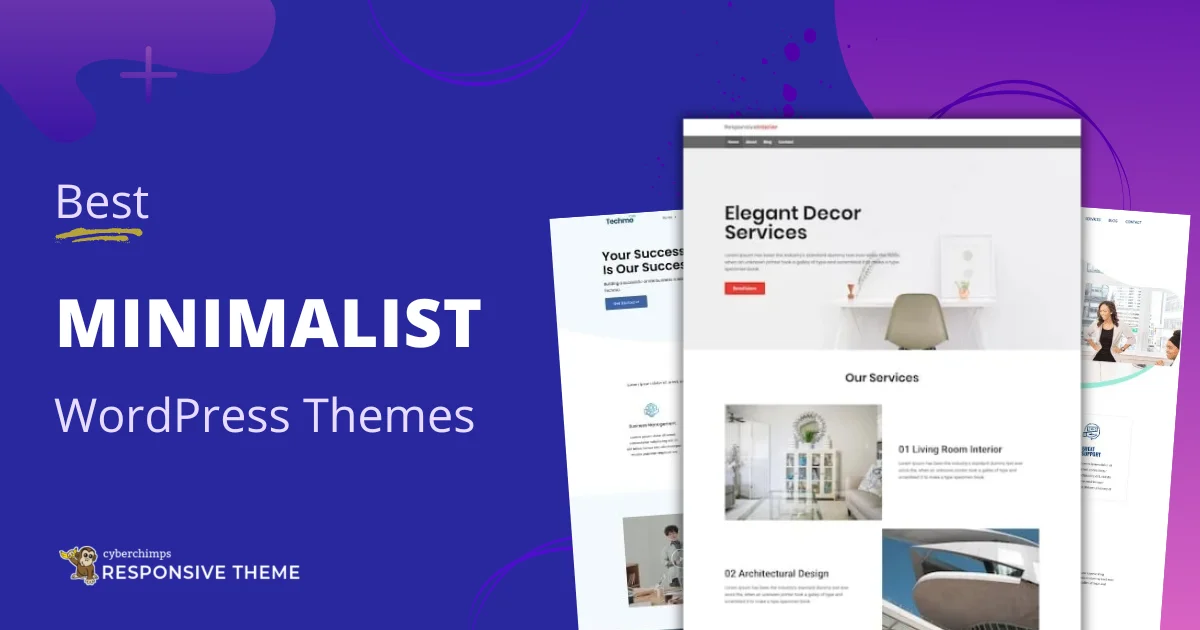
Most articles about minimalist WordPress themes are just lists. They repeat feature descriptions from product pages, sprinkle in a few screenshots, and leave you to guess which theme is actually worth using.
We wanted something more useful.
The best minimalist WordPress theme depends on your workflow and priorities. Agencies often need flexibility and repeatable builds, while solopreneurs and small businesses usually benefit from a balance of simplicity, performance, and ease of customization.
What Is a Minimalist WordPress Theme?
A minimalist WordPress theme prioritizes clean layouts, fast performance, readable typography, and limited visual clutter while giving your content room to stand out.
Minimalist design gets confused with plain design all the time.
In practice, a good minimalist WordPress theme removes unnecessary elements without removing flexibility. It keeps layouts simple, reduces visual distractions, and creates a faster browsing experience across desktops, tablets, and mobile devices.
That simplicity can benefit almost any type of website, from personal blogs and agency portfolios to local business sites and online stores.
Key Characteristics of a Minimalist WordPress Theme
While every theme approaches minimalism differently, most share a few common traits:
- Clean layouts with generous whitespace
- Strong focus on typography and readability
- Limited decorative elements
- Lightweight CSS and JavaScript
- Responsive design across devices
- Straightforward navigation
- Compatibility with modern editors like Gutenberg or Elementor
Minimalism also extends beyond appearance. A theme that ships hundreds of unnecessary assets or depends on heavy scripts isn’t truly minimalist from a performance perspective.
That’s one reason we’re evaluating technical quality alongside visual design in this guide.
What Are the Benefits of Using a Minimalist WordPress Theme?
A well-built minimalist theme can make website management easier while improving the visitor experience.
Some of the biggest advantages include:
- Faster page loads: Smaller assets and cleaner code can reduce loading times.
- Better readability: Content remains the primary focus instead of competing with decorative elements.
- Improved mobile experience: Simpler layouts often adapt more cleanly across different screen sizes.
- Easier customization: Clean foundations make it easier to build on top of the theme without unnecessary complexity.
- Longer design lifespan: Minimal layouts tend to age more gracefully than trend-driven designs.
Of course, design alone doesn’t guarantee these outcomes. A visually simple theme can still have bloated code, poor accessibility, or inconsistent maintenance.
How We Evaluated Every Theme?
These rankings are based on a consistent evaluation framework, not marketing claims. Every theme is assessed against the same technical criteria to make comparisons fair and repeatable.
Instead of ranking themes based on popularity or personal preference, we evaluate each one using the same framework and publish the reasoning behind every recommendation.
The goal is to help you make an informed decision, whether you’re launching a personal blog or managing dozens of client websites.
Independent Testing Philosophy
Every theme included in this guide earns its place because it’s widely used, frequently recommended, or built specifically around minimalist design principles.
More importantly, every theme is judged using identical evaluation criteria.
We don’t give bonus points for popularity, brand recognition, or marketing promises. If a theme performs well, its benchmark results should reflect that.
Equal Testing Conditions
Fair comparisons require a level playing field.
To reduce variables, each theme has been be tested using the same:
- WordPress version
- PHP version
- Hosting environment
- Demo content
- Media assets
- Navigation structure
- Testing tools
Scoring System
Rather than relying on a single metric, our evaluation combines five technical categories into one overall score.
| Evaluation Area | Weight | Why It Matters |
| Core Web Vitals | 40% | Directly impacts user experience and performance |
| Theme Footprint | 20% | Influences loading behavior and resource usage |
| Mobile Responsiveness | 20% | Supports mobile-first indexing and usability |
| Accessibility | 15% | Improves usability and semantic quality |
| Theme Updates and Maintenance | 15% | Reduces long-term technical risk |
This weighting reflects the factors that have the biggest day-to-day impact on performance, usability, and long-term website management.
Overall Benchmark Results
Our benchmark compares every theme using the same five evaluation criteria: Core Web Vitals, mobile responsiveness, theme footprint, accessibility, and maintenance history. Final rankings are based on the combined weighted score rather than a single metric.
This section is the foundation for every recommendation that follows.
Core Web Vitals comparison
The first benchmark measures loading performance and visual stability.
| Theme | LCP | INP | CLS |
| Responsive | 1.74 sec | 24 msec | 0 |
| GeneratePress | 1.32 sec | 8 msec | 0 |
| Astra | 1.31 sec | 8 msec | 0.01 |
| Blocksy | 1.6 sec | 16 msec | 0 |
| Kadence | 1.45 sec | 8 msec | 0 |
| Hello Elementor | 1.52 sec | 8 msec | 0 |
| Neve | 1.53 sec | 8 msec | 0 |
| Minimalio | 1.27 sec | 0 | 0.06 |
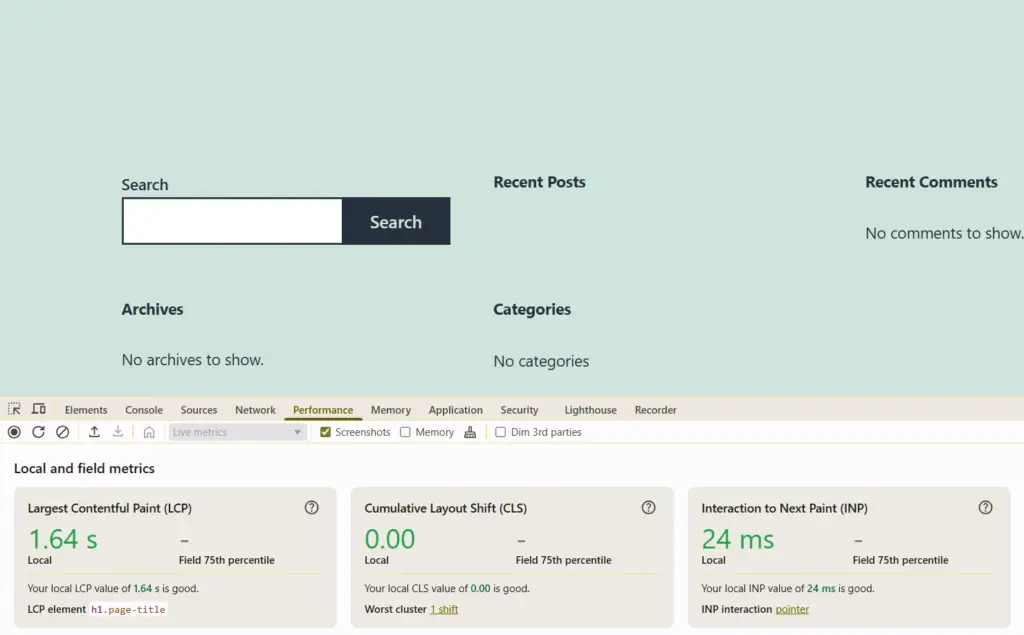
| Twenty Twenty-One | 1.64 sec | 24 msec | 0 |
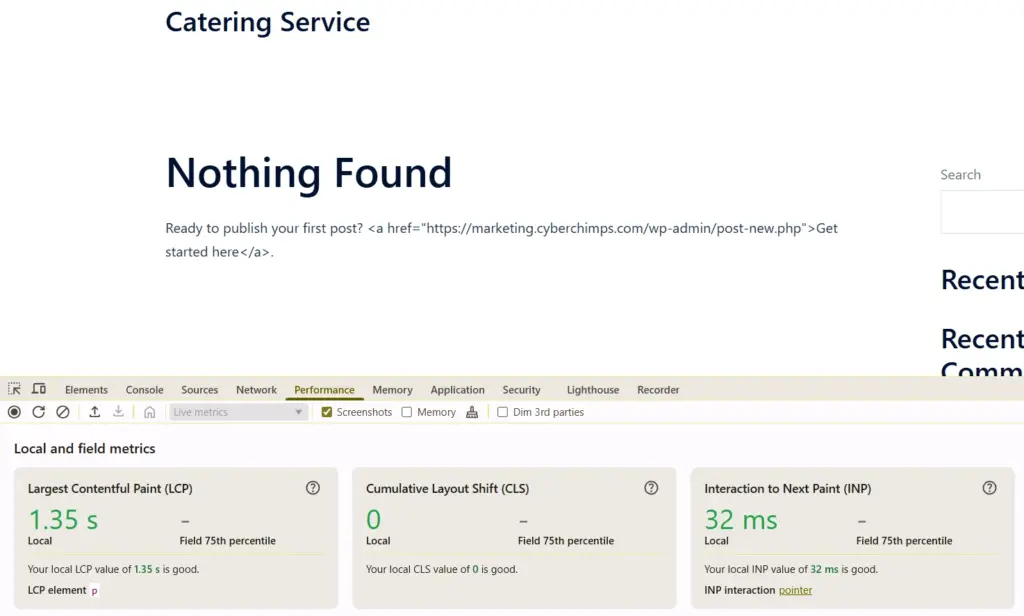
| Sydney | 1.35 sec | 32 msec | 0 |
Theme, CSS, and JavaScript footprint comparison
The second benchmark measures how much code each theme loads before additional plugins or customizations are introduced.
| Theme | CSS Size | JavaScript Size | HTTP Requests | Total Page Size |
| Responsive | 35.4 kb | 0.9 kb | 9 | 76 kb |
| GeneratePress | 35.4 kb | 0.9 kb | 6 | 25 kb |
| Astra | 35.4 kb | 0.9 kb | 8 | 48 kb |
| Blocksy | 35.4 kb | 0.9 kb | 7 | 58 kb |
| Kadence | 35.4 kb | 0.9 kb | 9 | 41 kb |
| Hello Elementor | 35.4 kb | 0.9 kb | 7 | 18 kb |
| Neve | 35.4 kb | 0.9 kb | 8 | 56 kb |
| Minimalio | 35.4 kb | 29.8 kb | 5 | 65 kb |
| Twenty Twenty-One | 35.4 kb | 29.8 kb | 8 | 39.4 kb |
| Sydney | 35.4 kb | 29.8 kb | 9 | 42 kb |
A smaller footprint doesn’t automatically produce a faster website, but it usually provides a stronger starting point for performance-focused projects.
Mobile responsiveness comparison
Mobile responsiveness extends beyond shrinking content to fit a smaller screen.
| Theme | Responsive Layout | Readability – Typography & Spacing | Mobile Navigation Usability |
| Responsive | Pass | Pass | Pass |
| GeneratePress | Pass | Pass | Pass |
| Astra | Pass | Pass | Pass |
| Blocksy | Pass | Pass | Pass |
| Kadence | Pass | Pass | Pass |
| Hello Elementor | Pass | Pass | Pass |
| Neve | Pass | Pass | Pass |
| Minimalio | Pass | Pass | Pass |
| Twenty Twenty-One | Pass | Pass | Pass |
| Sydney | Pass | Pass | Pass |
Accessibility comparison
| Theme | Semantic HTML | Heading Structure | Focus States |
| Responsive | Pass | Pass | Pass |
| GeneratePress | Pass | Pass | Pass |
| Astra | Pass | Pass | Pass |
| Blocksy | Pass | Pass | Pass |
| Kadence | Pass | Pass | Pass |
| Hello Elementor | Pass | Pass | Pass |
| Neve | Pass | Pass | Pass |
| Minimalio | Pass | Pass | Pass |
| Twenty Twenty-One | Pass | Pass | Pass |
| Sydney | Pass | Pass | Pass |
Theme update comparison
| Theme | Last Update | Active Installs |
| Responsive | May 26, 2026 | 20,000+ |
| GeneratePress | December 1, 2025 | 500,000+ |
| Astra | June 2, 2026 | 1+ million |
| Blocksy | May 29, 2026 | 300,000+ |
| Kadence | May 12, 2026 | 500,000+ |
| Hello Elementor | May 20, 2026 | 1+ million |
| Neve | May 21, 2026 | 200,000+ |
| Minimalio | May 21, 2026 | 2,000+ |
| Twenty Twenty-One | May 20, 2026 | 200,000+ |
| Sydney | May 28, 2026 | 80,000+ |
Maintenance history doesn’t usually make headlines, but it matters when you’re building a website you expect to run for years.
Next, we’ll examine each theme individually, explain its benchmark results, and discuss where it fits best.
1. Responsive Theme
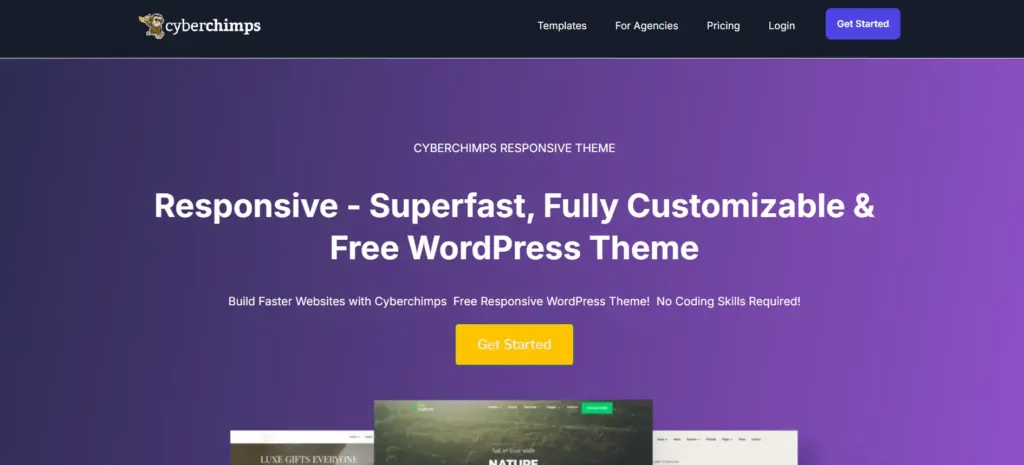
Why choose Responsive Theme?
The biggest strength of Responsive Theme isn’t that it tops a single benchmark, it’s that it performs consistently well across every benchmark that matters.
In our testing, it delivered stable Core Web Vitals, passed all mobile responsiveness and accessibility checks, and maintained a lightweight codebase without sacrificing functionality.
Support for both Gutenberg and Elementor further increases its versatility, allowing teams to choose the editing experience that best fits their workflow instead of adapting their workflow to the theme.
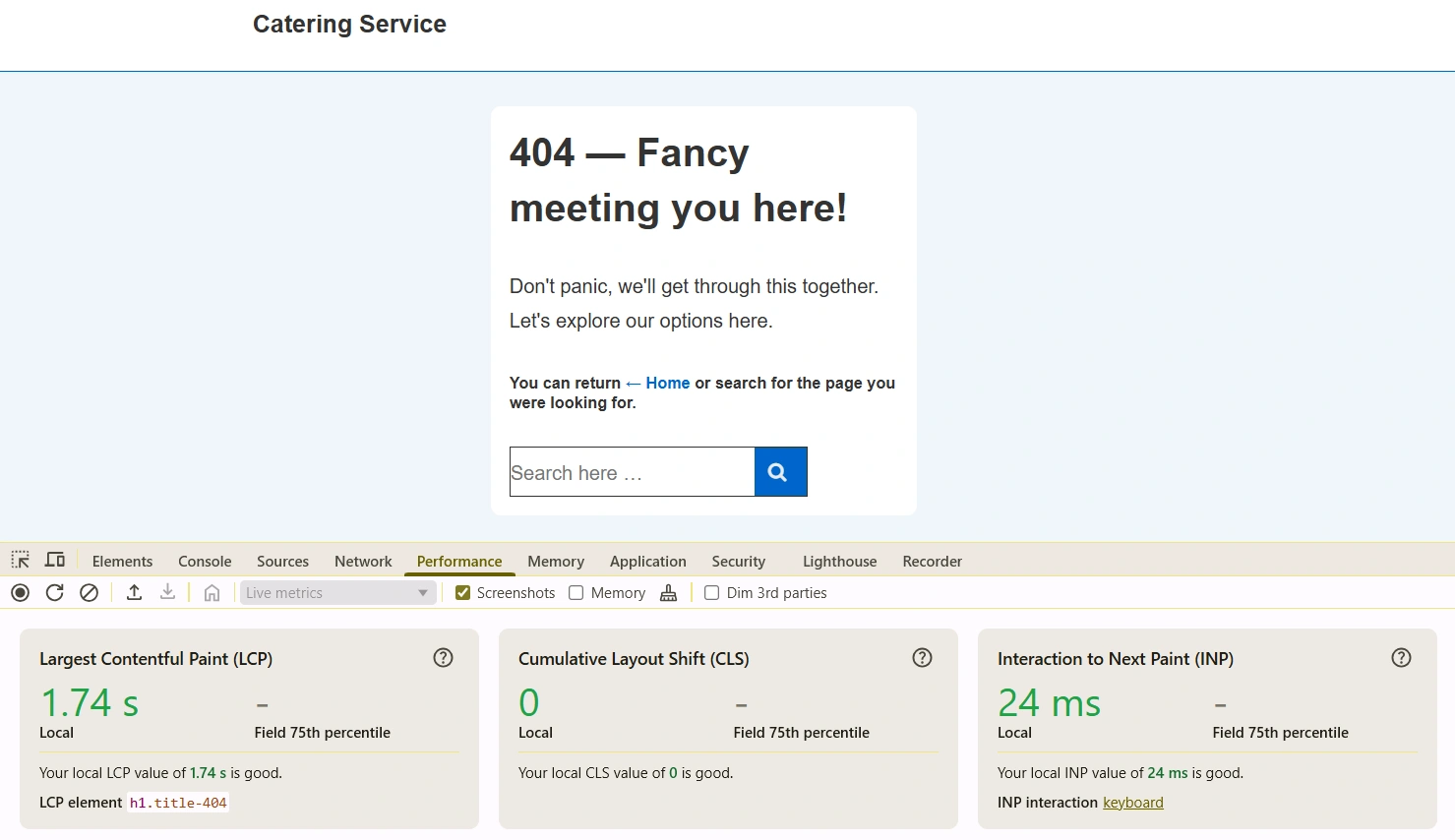
Theme Scores:
- Largest Contentful Paint (LCP): 1.74 seconds
- Interaction to Next Paint (INP): 24 milliseconds
- Cumulative Layout Shift (CLS): 0
- HTTP requests: 9
- Total page size: 76kb
Consider another option if
- You’re chasing the absolute fastest benchmark numbers and are willing to trade some flexibility for marginal performance gains.
- You want a theme designed specifically for editorial publishing or creative portfolios with a distinctive visual identity out of the box.
- Your workflow is built entirely around Elementor and you prefer the leanest possible starting point.
Best For
Responsive Theme is an excellent choice for:
- Agencies building and maintaining multiple client websites.
- Solopreneurs launching their own business website.
- Small businesses that need a scalable long-term foundation.
- Users who want the flexibility to switch between Gutenberg and Elementor.
- WooCommerce stores that prioritize versatility alongside performance.
- Anyone looking for a well-rounded minimalist theme rather than one optimized for a single niche.
2. GeneratePress
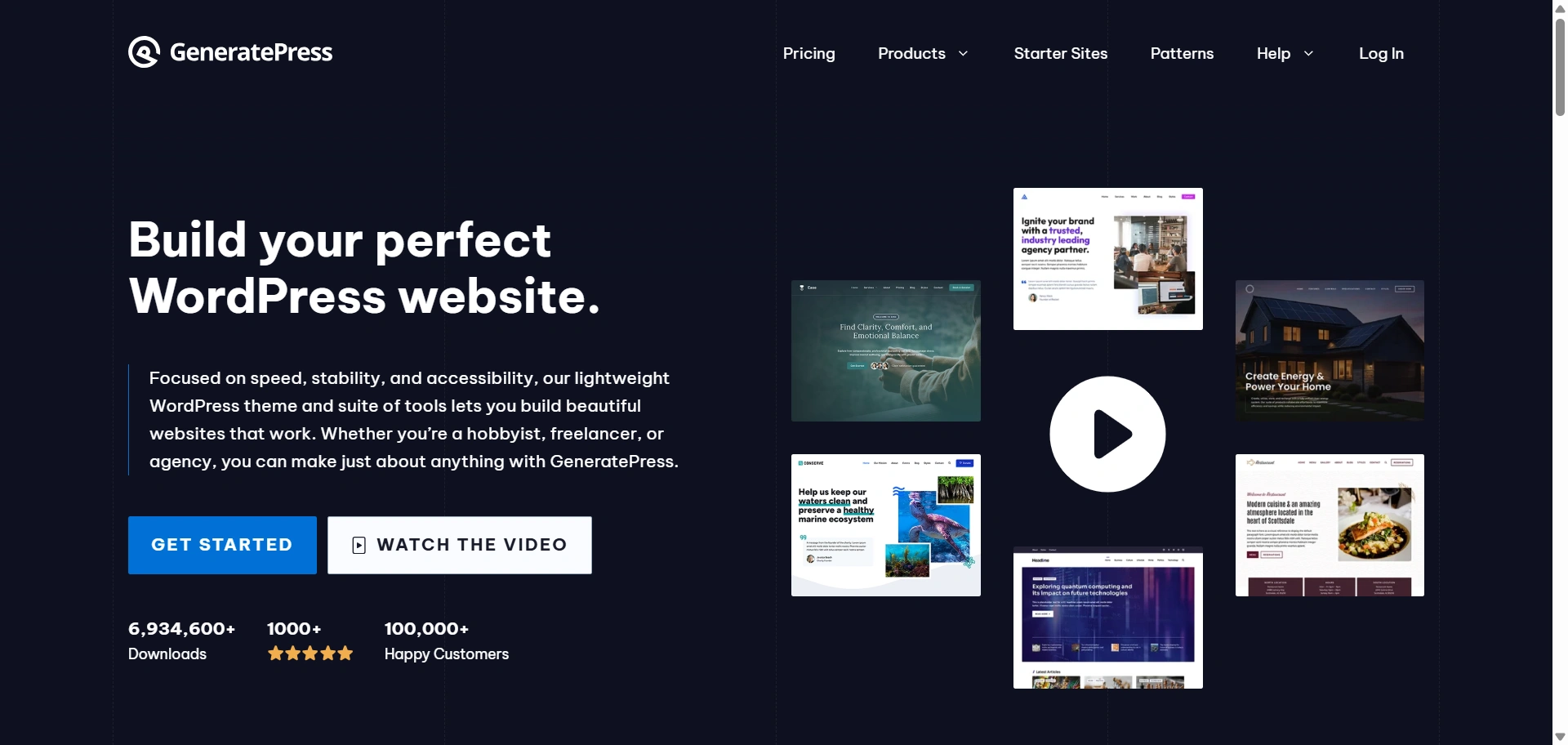
Why choose GeneratePress?
GeneratePress earned the top spot in our benchmark because it consistently delivered excellent technical performance without unnecessary complexity.
Beyond speed, GeneratePress has built a reputation for stability. Its large active user base and mature development cycle make it a dependable choice for professionals who value predictable updates and long-term compatibility. Rather than packing in opinionated design elements, it provides a clean foundation that developers and agencies can customize to fit different client requirements.
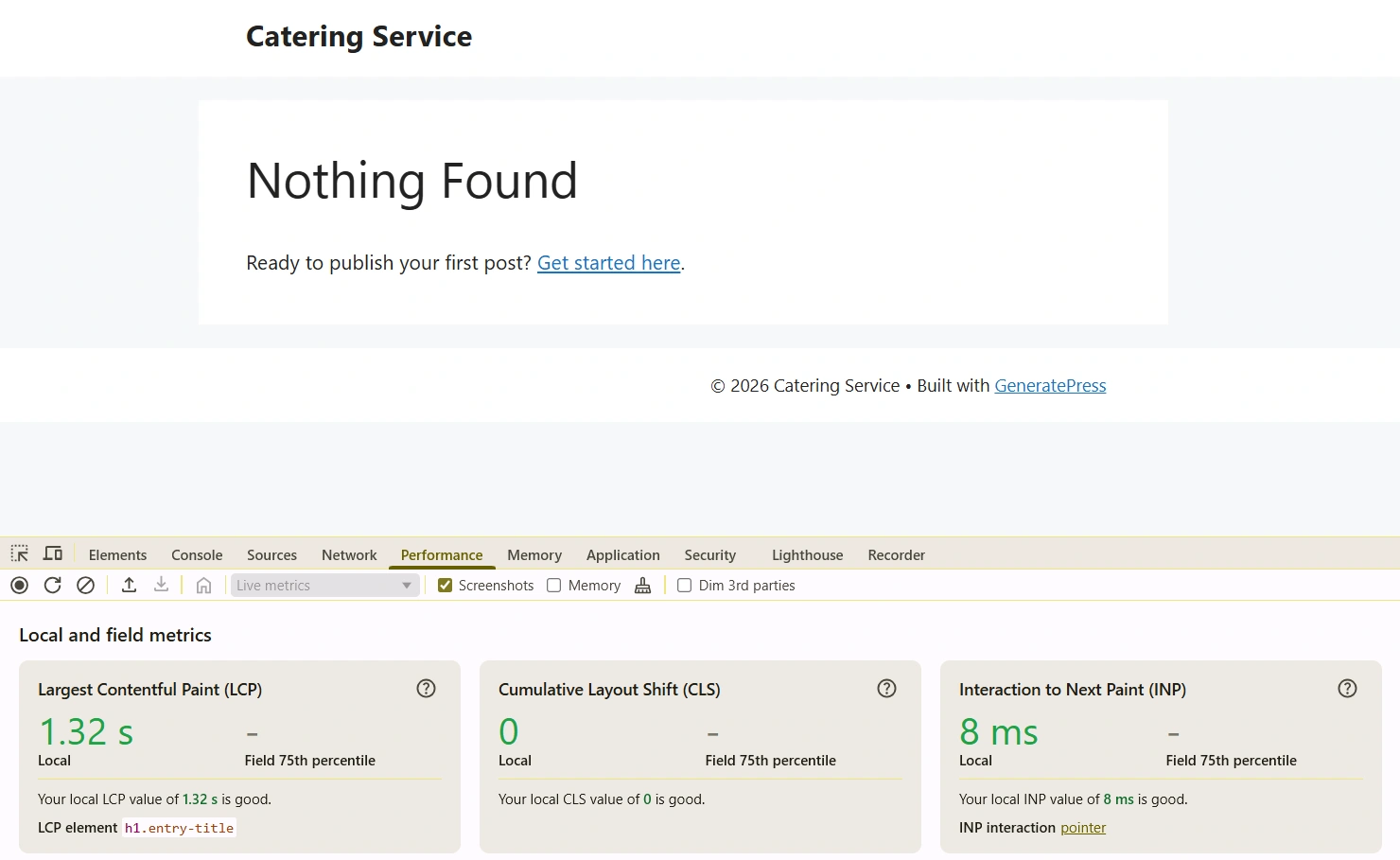
Theme Scores:
- Largest Contentful Paint (LCP): 1.32 seconds
- Interaction to Next Paint (INP): 8 milliseconds
- Cumulative Layout Shift (CLS): 0
- HTTP requests: 6
- Total page size: 25 kb
Consider another option if
- You prefer importing polished starter websites instead of building layouts from a minimalist foundation.
- You’re new to WordPress and want a theme that feels more visually complete immediately after installation.
- Your priority is finding a theme tailored to a specific niche rather than a general-purpose performance framework.
Best for
GeneratePress is an excellent choice for:
- Developers who value clean, efficient code.
- Agencies creating high-performance websites for clients.
- Performance-conscious bloggers and publishers.
- Businesses focused on improving Core Web Vitals.
- Users who prefer customizing a lightweight framework instead of working around unnecessary design elements.
- Website owners looking for a dependable long-term foundation with an established maintenance history.
3. Astra
Why choose Astra?
Astra performed well across our benchmark and reinforced why it remains one of the most widely adopted WordPress themes.
The theme combines strong loading performance with a lightweight architecture, giving users a solid starting point before adding page builders, plugins, or custom functionality.
Another advantage is flexibility. Astra works well with Gutenberg, Elementor, WooCommerce, and most major WordPress plugins, making it a practical choice for businesses that want freedom to evolve their website over time.
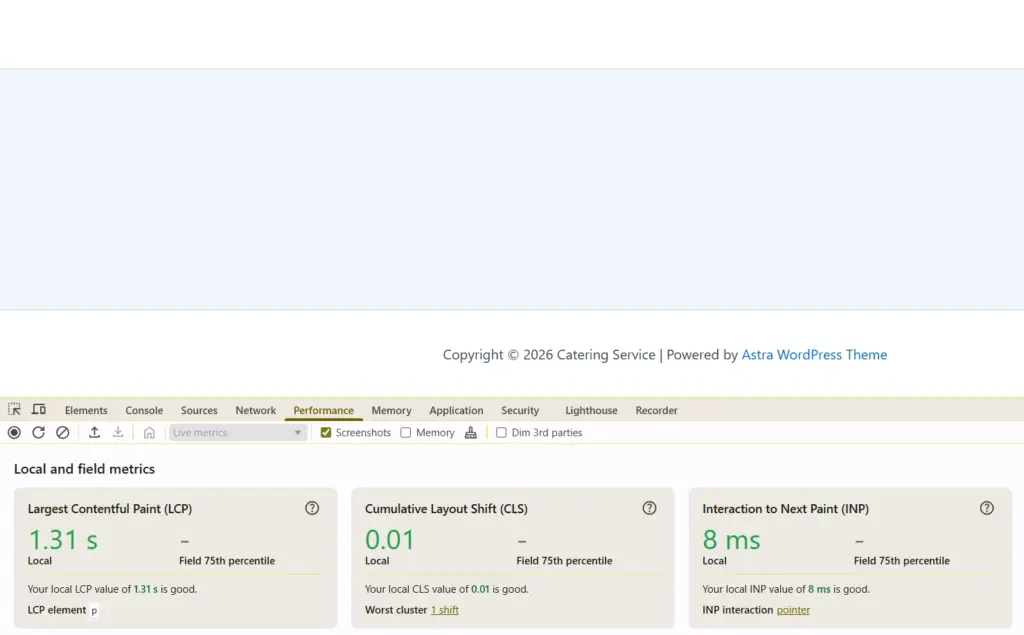
Theme Scores:
- Largest Contentful Paint (LCP): 1.31 seconds
- Interaction to Next Paint (INP): 8 milliseconds
- Cumulative Layout Shift (CLS): 0.01
- HTTP requests: 8
- Total page size: 48 kb
Consider another option if
- You’re focused exclusively on benchmark performance and want the highest-performing theme in our comparison.
- You prefer a more developer-focused framework with fewer built-in design decisions.
- You’re building a highly specialized website and want a theme designed specifically for that niche.
Best for
Astra is an excellent choice for:
- Small businesses building a long-term online presence.
- Marketers who need broad plugin compatibility.
- Agencies managing websites across different industries.
- WooCommerce store owners.
- Users who switch between Gutenberg and Elementor.
- Website owners who value a mature ecosystem and extensive community support.
4. Blocksy
Why choose Blocksy?
Blocksy impressed us by combining speed with a polished editing experience.
The theme keeps the interface clean without limiting what you can create, making it a practical choice for users who prefer native WordPress functionality over relying heavily on third-party page builders.
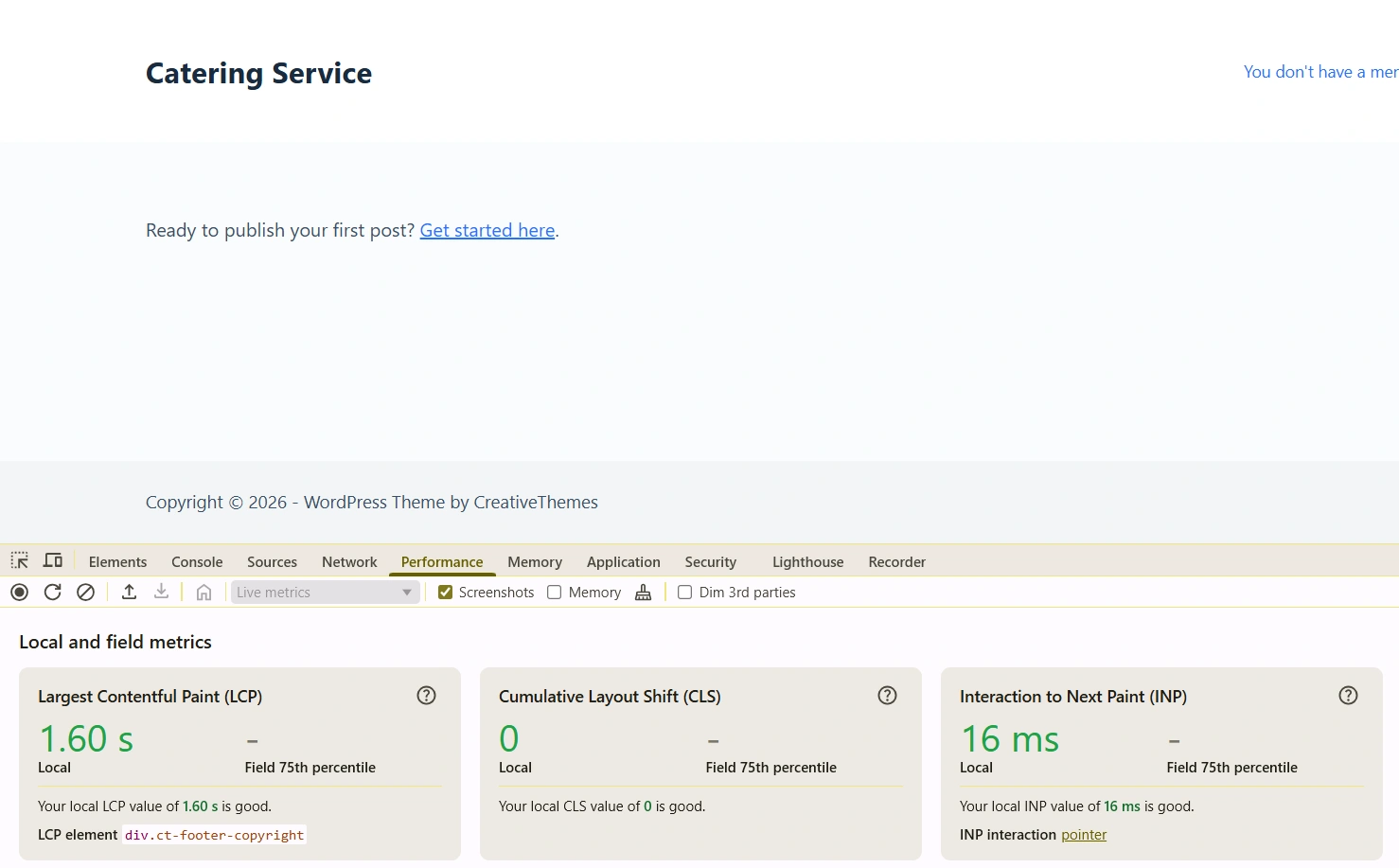
Theme Scores:
- Largest Contentful Paint (LCP): 1.60 seconds
- Interaction to Next Paint (INP): 16 milliseconds
- Cumulative Layout Shift (CLS): 0
- HTTP requests: 7
- Total page size: 58 kb
For anyone building around Gutenberg, Blocksy strikes a good balance between simplicity and customization without introducing unnecessary overhead.
Consider another option if
- Your workflow revolves entirely around Elementor and you want a theme built specifically for that ecosystem.
- You’re looking for the absolute lightest technical foundation available in our comparison.
- You need a theme with a longer track record and a larger community of developers and third-party resources.
Best for
Blocksy is an excellent choice for:
- Gutenberg users who prefer native WordPress editing.
- Bloggers and publishers looking for a clean reading experience.
- Small businesses building content-focused websites.
- Agencies that regularly work with the Block Editor.
- Website owners who value a balance between design flexibility and technical performance.
5. Kadence
Why choose Kadence?
Kadence delivered one of the most balanced performances in our benchmark.
One area where Kadence stands out is its attention to the building experience. The theme includes thoughtful customization options that make it easier to tailor layouts and branding without requiring extensive code changes.
Its active maintenance record is another positive sign. Frequent updates reduce the risk of compatibility issues and make Kadence a sensible choice for websites expected to stay online for years.
Theme Scores:
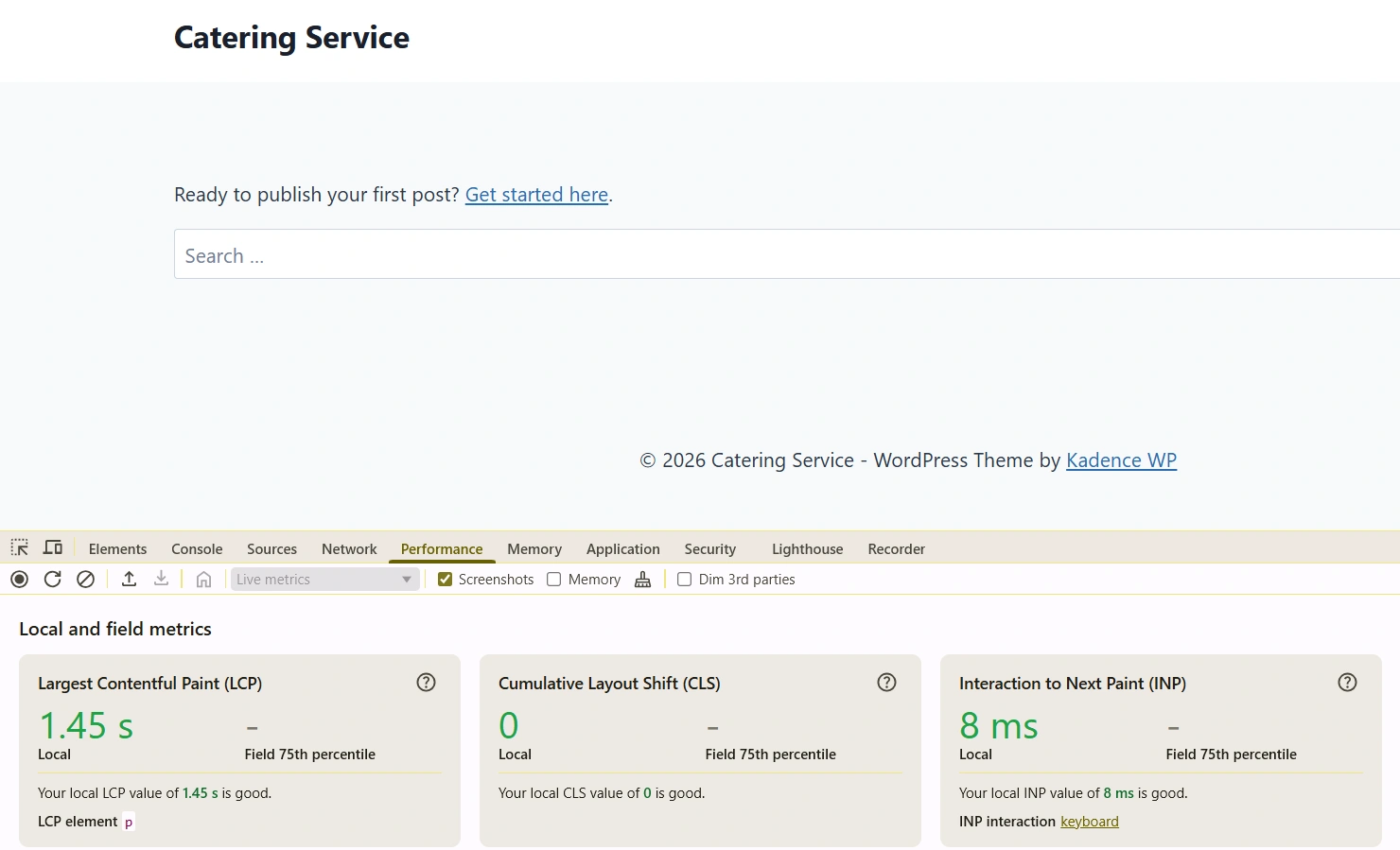
- Largest Contentful Paint (LCP): 1.45 seconds
- Interaction to Next Paint (INP): 8 milliseconds
- Cumulative Layout Shift (CLS): 0
- HTTP requests: 9
- Total page size: 41 kb
Consider another option if
- Your top priority is squeezing out every possible performance gain from the lightest framework available.
- You’re building exclusively with Elementor and want a theme designed around that workflow.
- You prefer a highly specialized blogging or portfolio theme with a predefined visual style.
Best for
Kadence is an excellent choice for:
- WooCommerce store owners.
- Growing businesses planning to expand their website over time.
- Agencies building professional client websites.
- Users who want extensive customization without writing custom code.
- Gutenberg users looking for a polished editing experience.
- Website owners who value consistent performance and regular updates.
6. Hello Elementor
Why choose Hello Elementor?
The theme loaded with the smallest overall page size in the comparison while maintaining strong performance across the other technical checks.
The theme also passed our mobile responsiveness and accessibility evaluations, ensuring that its lightweight nature doesn’t come at the cost of usability. Combined with regular updates from the Elementor team, it provides a stable base for websites that rely heavily on the page builder.
Theme Scores:
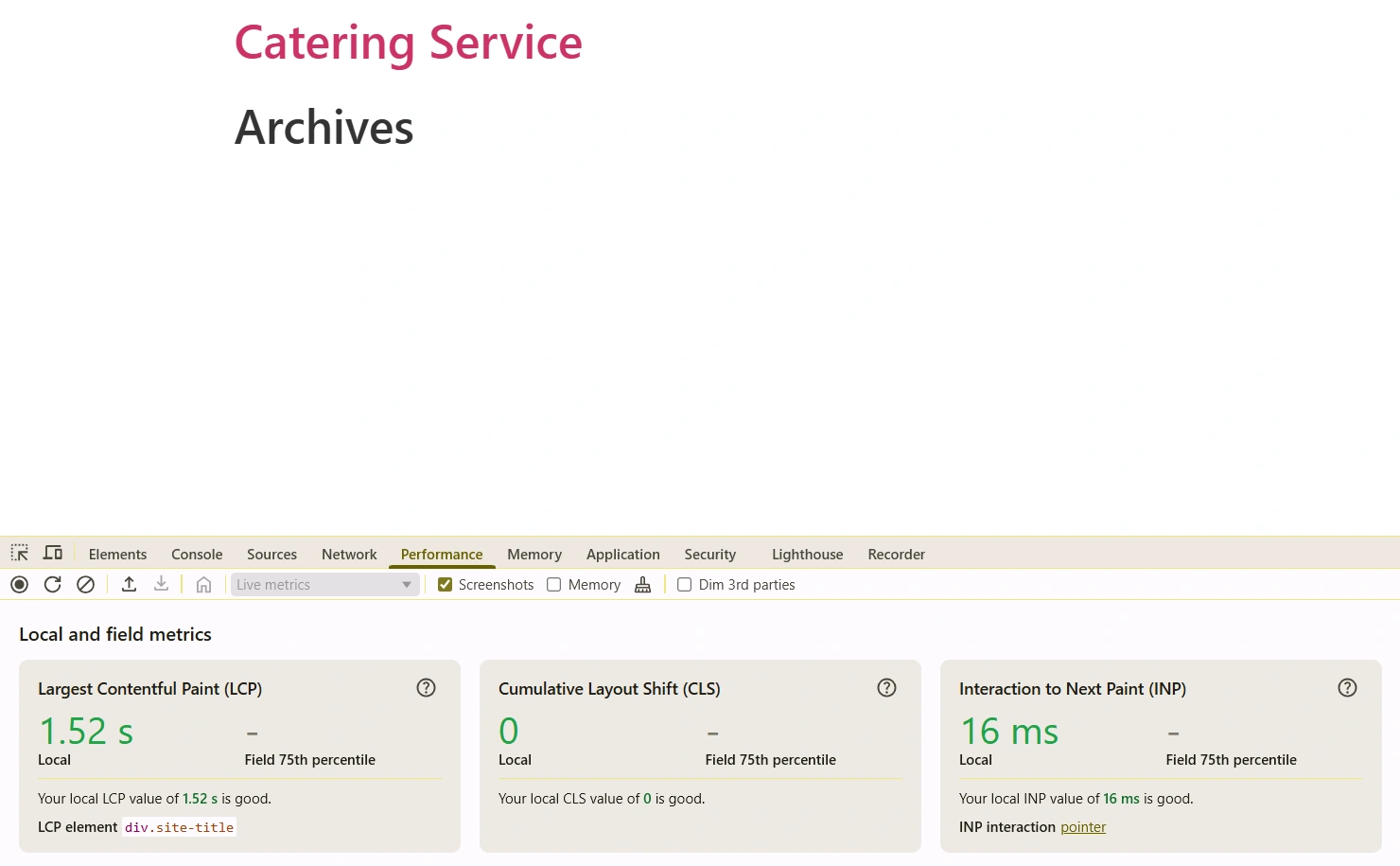
- Largest Contentful Paint (LCP): 1.52 seconds
- Interaction to Next Paint (INP): 8 milliseconds
- Cumulative Layout Shift (CLS): 0
- HTTP requests: 7
- Total page size: 18 kb
Consider another option if
- You want a feature-rich theme that provides customization options before installing a page builder.
- You plan to build primarily with Gutenberg instead of Elementor.
- You’re looking for a multipurpose theme that works equally well across different editing workflows.
Best for
Hello Elementor is an excellent choice for:
- Elementor-first designers and developers.
- Agencies standardizing on Elementor for client projects.
- Freelancers building highly customized landing pages.
- Businesses already invested in the Elementor ecosystem.
7. Neve
Why choose Neve?
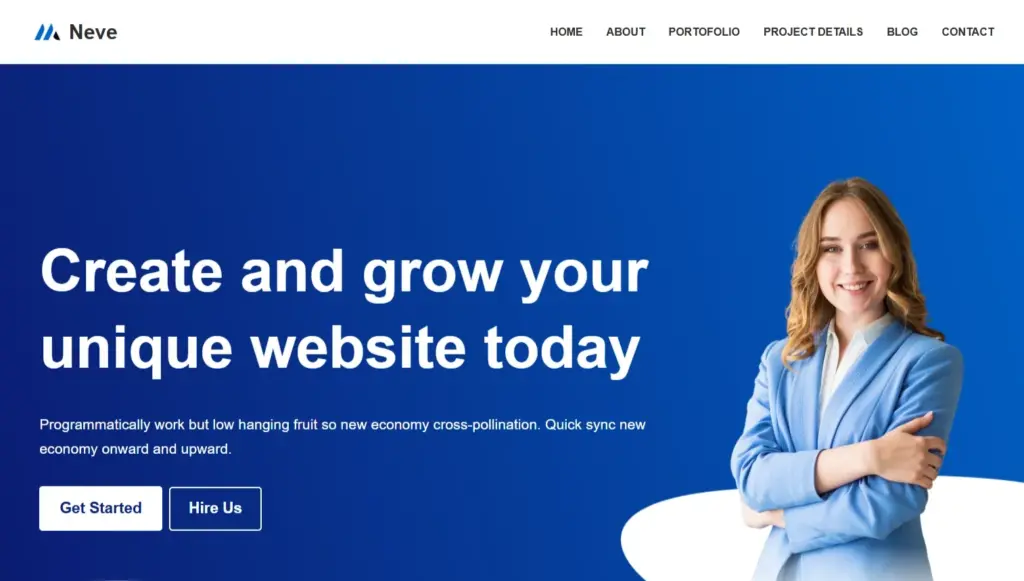
Neve earned its place in this comparison by doing the fundamentals well.
It performed consistently across our benchmark, passing every mobile responsiveness and accessibility check while maintaining a lightweight technical foundation.
Another reason to consider Neve is its broad appeal. It doesn’t target a single niche or workflow, making it suitable for business websites, blogs, portfolios, and even WooCommerce stores.
The customization experience is approachable enough for beginners while still giving experienced users enough control to build professional websites.
Theme Scores:
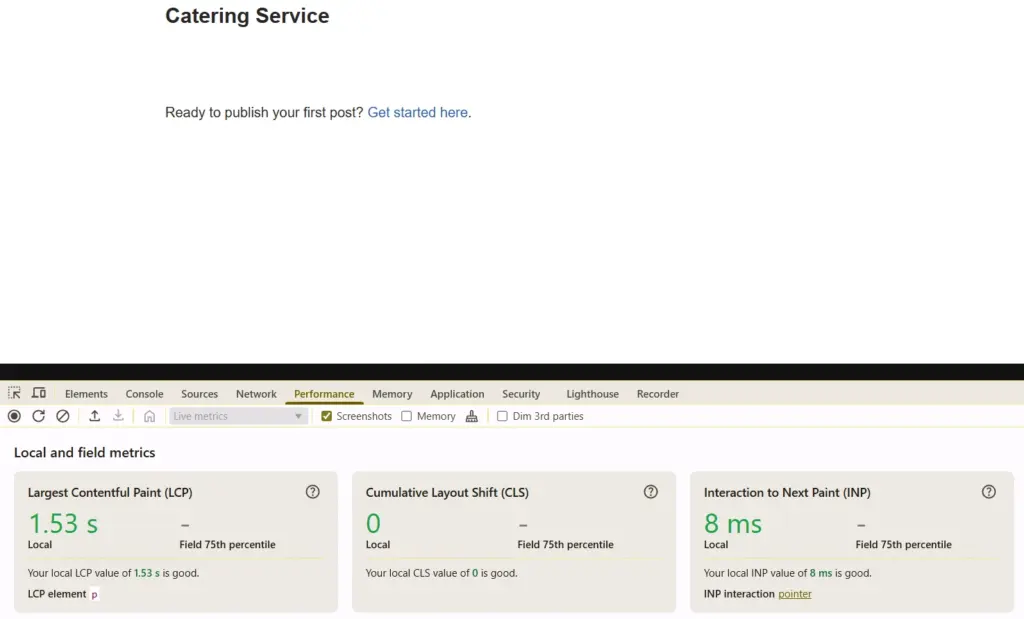
- Largest Contentful Paint (LCP): 1.53 seconds
- Interaction to Next Paint (INP): 8 milliseconds
- Cumulative Layout Shift (CLS): 0
- HTTP requests: 8
- Total page size: 56 kb
Consider another option if
- You’re looking for the highest-performing theme in our benchmark and are willing to optimize around a more developer-focused framework.
- Your entire workflow revolves around Elementor and you prefer a theme designed specifically for that ecosystem.
- You want a theme with a stronger visual identity immediately after installation instead of building your own design direction.
Best for
Neve is an excellent choice for:
- Freelancers working with clients across multiple industries.
- Small businesses launching their first professional website.
- Bloggers who value clean layouts and readability.
- WooCommerce users looking for a lightweight foundation.
8. Minimalio
Why choose Minimalio?
The theme passed our mobile responsiveness and accessibility checks, ensuring that readers get a consistent experience regardless of the device they’re using. It also receives active updates, which is reassuring for anyone planning to build a long-term content site.
If your priority is publishing articles with minimal visual distractions, Minimalio delivers a focused experience that many multipurpose themes don’t try to provide.
Theme Scores:
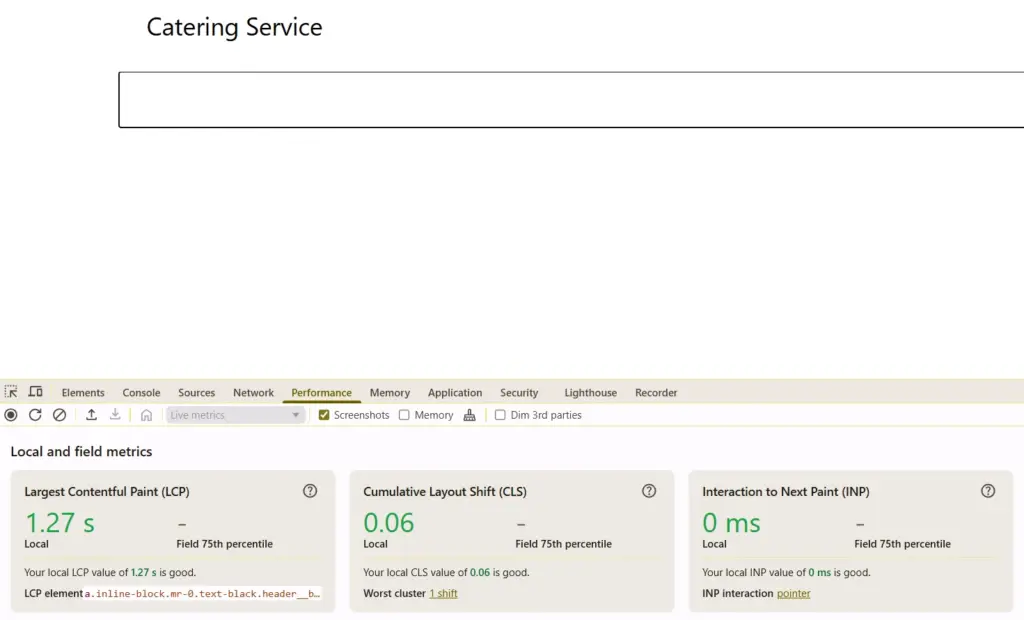
- Largest Contentful Paint (LCP): 1.27 seconds
- Interaction to Next Paint (INP): 8 milliseconds
- Cumulative Layout Shift (CLS): 0.06
- HTTP requests: 5
- Total page size: 65 kb
Consider another option if
- You need a general-purpose theme that can easily switch between blogs, business websites, and eCommerce stores.
- You’re sensitive to technical overhead and prefer a theme with a smaller JavaScript footprint.
- You expect to build highly customized layouts or client websites across multiple industries.
Best for
Minimalio is an excellent choice for:
- Bloggers and online publishers.
- Writers who want content to remain the primary focus.
- Creators looking for a clean, minimalist aesthetic.
- Users who value fast content rendering.
- Simple editorial projects that don’t require extensive customization.
9. Twenty Twenty-One
Why choose Twenty Twenty-One?
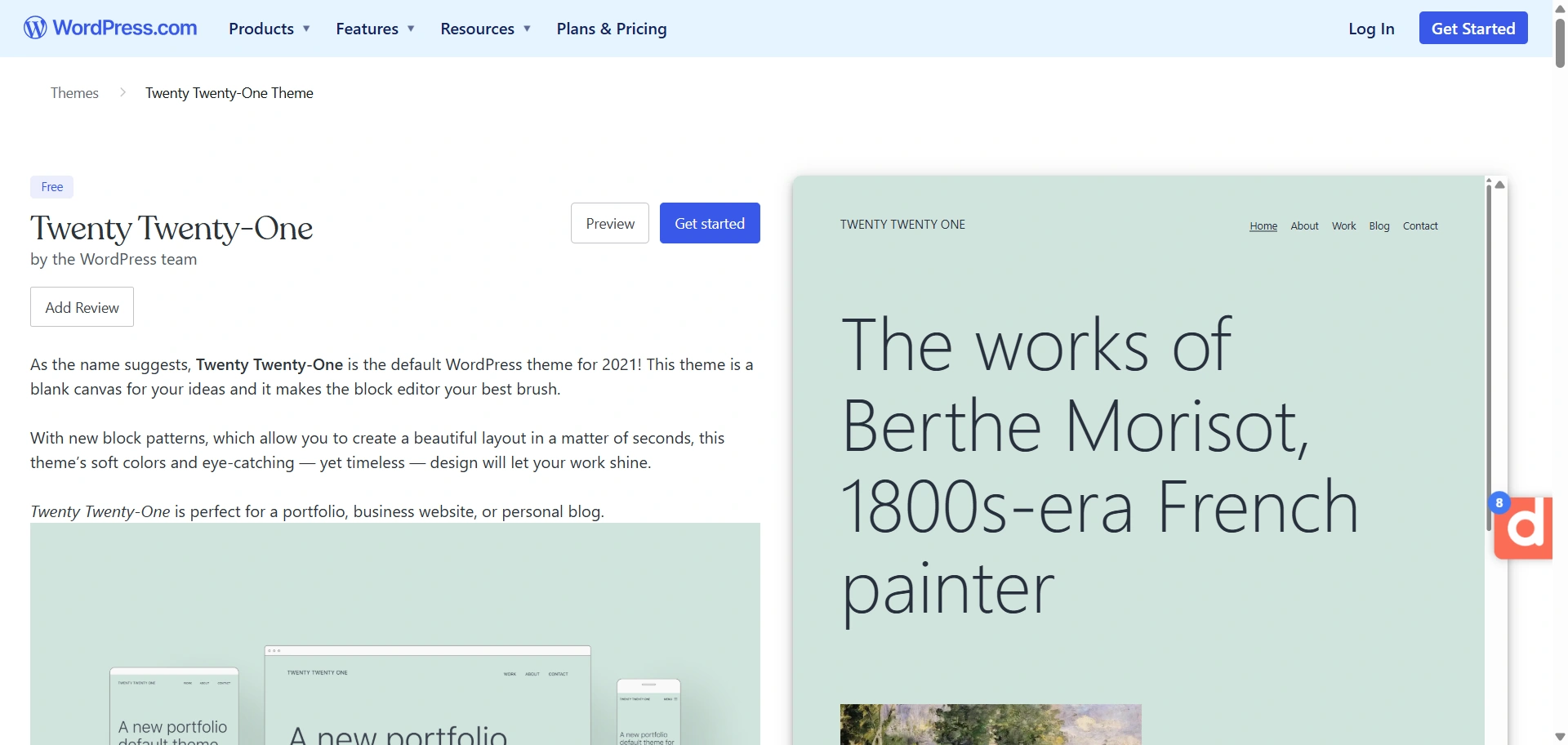
Twenty Twenty-One takes a straightforward approach. It delivered stable results throughout our benchmark, while maintaining a lightweight foundation. Backed by the WordPress project itself, it also benefits from ongoing compatibility updates and broad support across the ecosystem.
Its simplicity also means fewer surprises. There are no aggressive design choices or feature-heavy additions competing for attention, allowing users to build on a clean starting point.
Theme Scores:
- Largest Contentful Paint (LCP): 1.64 seconds
- Interaction to Next Paint (INP): 24 milliseconds
- Cumulative Layout Shift (CLS): 0
- HTTP requests: 8
- Total page size: 39.4 kb
Consider another option if
- You want access to more modern customization features without relying on additional plugins.
- You’re looking for the strongest benchmark performance available in this comparison.
- You need a theme with extensive starter templates or a richer design ecosystem for rapid website launches.
Best for
Twenty Twenty-One is an excellent choice for:
- Users who prefer official WordPress themes.
- Developers building simple client websites.
- Bloggers who value a clean reading experience.
- Businesses with straightforward website requirements.
- Website owners who prioritize long-term compatibility with WordPress core.
10. Sydney
Why choose Sydney?
Our benchmark showed that the theme performs consistently across the areas that matter most for day-to-day use. It passed every mobile responsiveness and accessibility check, maintained a compact technical footprint, and continues to receive regular updates that keep it aligned with current WordPress releases.
Another strength is its business-first approach. Sydney provides enough customization options to create a polished website without overwhelming users with endless configuration choices.
Theme Scores:
- Largest Contentful Paint (LCP): 1.35 seconds
- Interaction to Next Paint (INP): 32 milliseconds
- Cumulative Layout Shift (CLS): 0
- HTTP requests: 9
- Total page size: 42 kb
Consider another option if
- You’re targeting the highest benchmark performance and want one of the top-ranked themes in our comparison.
- You need a theme with deeper integration for Gutenberg or Elementor workflows.
- You’re building a content-heavy publication or highly customized website that demands greater design flexibility.
Best for
Sydney is an excellent choice for:
- Small businesses launching a professional website.
- Local service providers and consultants.
- Freelancers creating simple client websites.
- Agencies working with business-focused projects.
- Website owners who value straightforward customization.
FAQ
Yes. Many free themes in our comparison performed exceptionally well and are suitable for production websites.
Yes. Themes like Kadence, Astra, and Responsive provide a solid foundation for building WooCommerce stores.
Not necessarily. A smaller footprint helps, but efficient code and overall architecture matter just as much.
Focus on performance, mobile responsiveness, accessibility, active maintenance, and whether the theme matches your preferred workflow and website goals.
Conclusion
Choosing a minimalist WordPress theme comes down to more than finding the cleanest design.
Our benchmark showed that performance, code footprint, accessibility, and long-term maintenance can vary significantly even among themes that look similar on the surface.
If raw performance is your top priority, GeneratePress set the pace in our comparison. Responsive Theme earned its place as one of the strongest all-rounders for agencies and growing businesses, while Astra, Kadence, and Blocksy each excelled in their respective use cases.
Hello Elementor is a natural fit for Elementor-first workflows, and Minimalio makes a compelling case for content-focused websites.
Before making your decision, shortlist the two or three themes that match your workflow and revisit the benchmark tables. Looking at the data side by side is often the fastest way to spot the trade-offs that matter for your project.
If you liked reading this article, consider going through the following articles.